Quantum Guard Mississauga Security Service Team
Local locksmith team
Aug 3, 2026 9 min read
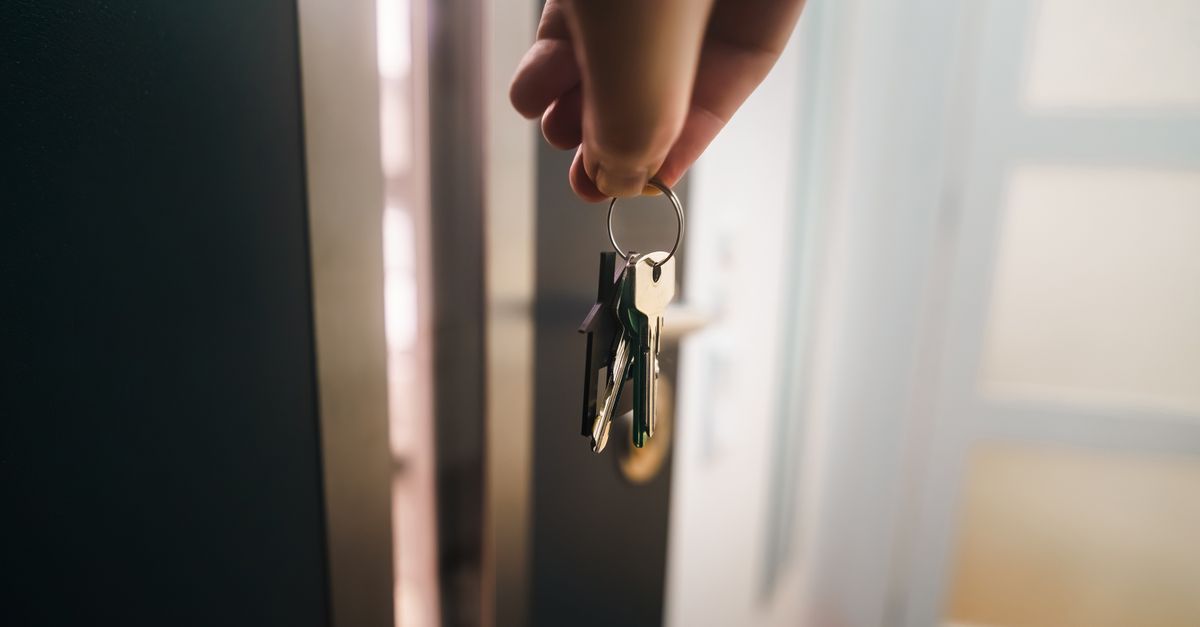
Moving into a condo in Mississauga is exciting — whether you've just purchased a suite at a high-rise near Square One or signed a lease in Port Credit. But before you unpack a single box, there's one step most new residents skip that security professionals consistently flag as important: rekeying your unit's locks. It takes less time than assembling flat-pack furniture, and it closes a real vulnerability that most people don't think about until something goes wrong.
This guide explains exactly why rekeying matters for condo dwellers specifically, who may already have a copy of your key without you realizing it, and what factors go into the cost of the job. We'll also cover what to expect from the process so you can walk in with confidence on day one.
## Why Condo Keys Are a Bigger Risk Than You Might Think
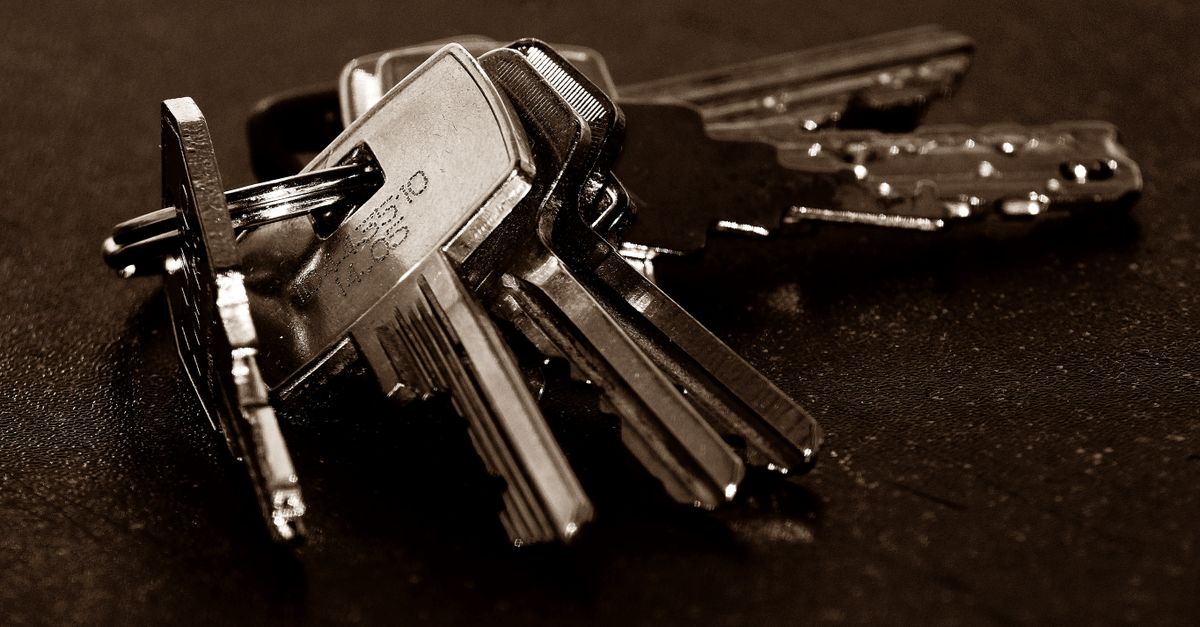
In a detached home, the previous owner hands over a key on closing day and that's usually the end of it. Condo living is a different story. By the time you receive your keys, they may have been copied and passed along multiple times — and not always with any record of who has them. The previous owner or tenant likely handed copies to a dog walker, a cleaning service, a family member, or a contractor who worked inside the unit. Some of those people may have held onto their copies without thinking twice about returning them. Landlords in rental buildings sometimes maintain a master set that includes unit keys, and in some older Mississauga buildings, those key systems haven't been updated in years.
There's also the building management layer to consider. Condo corporations in Ontario typically hold a master key or fob that provides access to common areas, but some older buildings use a passkey system that extends further. When you move in, you generally receive keys cut from that building's existing key family — meaning the lock itself hasn't changed, only the name on the lease or the title. Rekeying your unit's lock means the lock's internal pins are reconfigured to match a brand-new key cut, so every previously existing copy becomes useless overnight. It is one of the most straightforward and genuinely effective things you can do to take ownership of your own security.
## Who Actually Has a Copy of Your Key — The Real List
Most new residents think of one or two obvious people. The real list tends to be longer. For a condo that was previously owned, consider: the former owner and any household members, their real estate agent (sometimes given a copy for showing convenience), the stager who prepped the unit for sale, any tradespeople who worked on a renovation before listing, and whoever managed the property if it was rented out before you bought it. For rental units, add the previous tenant's contacts — their guests, Airbnb guests if the landlord permitted short-term rentals, maintenance workers, or even a building superintendent who may have used a key rather than a master fob.
In Mississauga's denser corridors — think the Hurontario corridor heading toward the new LRT line, or the established towers around Burnhamthorpe and Confederation — older buildings sometimes have key duplication histories that stretch back decades. Even in newer builds, the construction phase involves dozens of tradespeople who may have used a common lock cylinder before the final keys were cut. The honest answer is: you can't know for certain who has a copy. Rekeying doesn't require you to know — it simply makes all of them irrelevant.
## The Rekeying Process: What a Locksmith Mississauga Visit Actually Looks Like
Rekeying is not the same as replacing a lock. When a skilled locksmith rekeys your door, they remove the lock cylinder from the existing hardware — whether that's a deadbolt, a mortise lock (the type common in many older Mississauga condo buildings, recessed into the door edge with a larger face plate), or a door knob lock — and swap out the driver pins inside to match a fresh key combination. Your existing hardware stays in place, your door still closes and seals the same way, and the job typically takes a fraction of the time that a full lock replacement would. You walk away with new keys that work, and every old copy is now just a piece of metal.
When our team arrives at your unit, we verify ownership or tenancy — a standard step that protects everyone. We then assess which locks need attention, explain the options clearly, and confirm an exact up-front price before any work begins. The final quote depends on factors like the type and brand of lock (a Schlage deadbolt is different from a multi-point mortise system), how many cylinders need rekeying, the time of day, and travel distance within the Mississauga service area. There are no surprise charges added after the fact. If you'd like to have your locks rekeyed the same day you receive your keys, our team is available around the clock — call (289) 206-5983 and we can often be at your door within the hour.
## When Rekeying Is Not Enough: Upgrading Your Condo Locks
Rekeying is the right starting move in most situations, but it's worth knowing when a full lock upgrade makes more sense. If the existing hardware is visibly worn — a deadbolt that wobbles, a cylinder that feels gritty or stiff, or a strike plate that's been repaired after a forced entry — replacing the hardware entirely gives you a fresh baseline. Similarly, if you're moving into a building with an older key system that cannot be rekeyed to a higher-security standard, upgrading to a Grade 1 Schlage deadbolt or a comparable high-security cylinder offers meaningfully better pick and bump resistance.
Condo boards in Ontario typically allow owners to change their unit door lock provided they supply the building with a copy of the new key for emergency access — check your condo corporation's rules before the job, as this varies. Our team is familiar with how Mississauga condo buildings are structured and can advise you on what your corporation is likely to require. We also handle situations where you've lost a fob or key card, need a secondary deadbolt added for peace of mind, or want to discuss smart lock options compatible with your existing door prep. As an experienced emergency locksmith team, we respond to both planned upgrades and urgent calls — whatever the timeline looks like for your move.
## Beyond the Front Door: Other Locks Worth Checking on Move-In Day
Your unit's front door is the obvious priority, but it's not the only entry point to think about. Many Mississauga condo units have a secondary entrance from a balcony or patio at ground level — especially in townhouse-style condo communities in areas like Erin Mills or Lakeview — and those sliding door locks and secondary deadbolts deserve the same scrutiny. Storage lockers assigned to your unit often use a padlock or keyed lock that may have been used by the previous occupant. If your parking spot has a storage cage or the locker room uses a keyed entry, those are worth addressing too.
In-suite laundry rooms and den doors are less common concerns but worth a quick check. For renters specifically, it's also smart to photograph the state of all locks on move-in day for your records — this protects you from disputes at the end of a tenancy. If you manage multiple units as a small residential or commercial landlord, our commercial locksmith services extend to master key systems, tenant rekeying programs, and high-traffic common-area hardware built for the demands of multi-unit properties. Our team works with property managers across Mississauga to build key control systems that eliminate the guesswork entirely. Ready to get started? Reach out any time at (289) 206-5983 — we answer 24 hours a day, seven days a week.
Frequently asked questions
Can my condo building stop me from rekeying my own lock?+
In Ontario, unit owners generally have the right to change their lock, but most condo corporations require you to provide a copy of the new key to management for emergency access. Check your condo declaration or rules before the job — it's usually a simple requirement to meet. Renters should get written permission from their landlord first, which most landlords grant willingly when the request is explained clearly. Our team can advise you on how to document the change properly before we start any work.
How much does it cost to rekey a condo lock in Mississauga?+
We confirm an exact up-front price before any work begins, so there are no surprises. The final quote depends on a few key factors: the type and brand of lock (a standard deadbolt differs from a multi-cylinder mortise system), the number of cylinders being rekeyed, whether the job is during regular hours or overnight, and the travel distance within our Mississauga service area. Call (289) 206-5983 for a clear quote — we walk you through it before anything is touched.
How long does rekeying a condo door actually take?+
For a standard deadbolt or single-cylinder lock, rekeying typically takes around 15 to 30 minutes once a locksmith is on site. More complex setups — like a mortise lock with multiple cylinders, or a unit with several entry points — will take somewhat longer. We'll give you a realistic time estimate when you call, and because we're a mobile team operating across Mississauga, we can often arrive the same day, including evenings and weekends.
Should I rekey if I'm renting, or just if I'm buying?+
Both situations benefit from rekeying, though the process differs slightly. As an owner, you have full authority over the lock once you close — rekeying immediately after possession is straightforward. As a renter, you'll want written consent from your landlord, but it's a reasonable and common request. The reality is that the previous tenant's key copies don't expire on their own when a lease ends. Rekeying gives you a clean start regardless of whether your name is on the title or the lease.